
What is transient protection (SPD), and when is it required?
Transient protection means protection against transient overvoltages – and is often also referred to as SPD protection. SPD is an abbreviation for “Surge Protective Device.” The English word “surge” refers to an overvoltage – often an overvoltage with a relatively high energy level, which may originate from a lightning strike, either directly or indirectly to a building, or from the building’s supply installations. Transients or overvoltages can occur on all types of cable installations, including high voltage, low voltage, as well as automation, signal, and IT installations.
SPD, transient protection, and surge protection therefore mean exactly the same thing.
In the vast majority of electrical installations today, in accordance with DS/HD 60364-4-443, there is a requirement to install protection against transient overvoltages of atmospheric origin and switching overvoltages. Transient overvoltages of atmospheric origin are indirect lightning transients, while switching overvoltages originate from switching operations in the primary high- and low-voltage supply installations.
The requirement includes the installation of Type 2 transient protection.
The only exceptions to the requirement for SPD protection are residential buildings, where a risk assessment in accordance with section 443.5 of the standard must demonstrate that the risk is so low that it is not necessary to install the protection.
Electricon can assist with the preparation of a risk assessment. If no risk assessment is carried out, the requirement for installing surge protection must always be complied with.
A surge protective device in a low-voltage installation is installed between the three phases and neutral to the earthing system. In automation, signal, or IT systems, transient protection is installed between the individual signal conductors and earth, as well as between the signal conductors themselves.
Types of transient protection (SPD)
Transient protection is divided into different types depending on the structure of the installation, the level of risk, and which system components need to be protected. Below, you can read more about the most commonly used types of SPD protection and their applications.
Lightning current protection – Type 1 protection
Type 1 protection is intended for installations where an external lightning protection system is installed on the building. The lightning current arrester must be installed in the installation’s main distribution boards, where external installations enter the building from outside. The Type 1 arrester is designed to conduct significantly higher energy/current than a traditional Type 2 transient protection device. A lightning current arrester cannot protect an installation on its own and must be supplemented with a Type 2 arrester – or selected as a combined Type 1/Type 2 arrester. A Type 1 arrester for a 230/400 V system typically limits overvoltages to 2,000 V – 4,000 V.
Transient protection – Type 2 protection
In installations without lightning protection, Type 2 transient protection must be installed at the installation’s point of entry in the main distribution boards or where cables enter the building from outside. A Type 2 protection device for a 230/400 V system typically limits overvoltages to 1,000 V – 2,000 V.
Equipment protection – Type 3 protection
To protect equipment and appliances against internally generated switching transients, a Type 3 arrester can be installed inside the device or immediately in front of it. This equipment protection is referred to as Type 3 protection and typically limits overvoltages in a 230 V system to a level of 1,000 V – 2,000 V.
IT, data, and signal protection
For all common types of communication, data, and signal systems, transient protection is available in Type 1, Type 2, and often also Type 3 arresters. It is of great importance for a system’s immunity against lightning and overvoltages that the weakest and most vulnerable installations are protected on equal terms with the more robust power supply systems. To select the correct transient protection, it is important to know the signal’s maximum operating voltage, as well as the number of conductors and communication speed. It is recommended to choose a surge protective device that is designed and tested for the specific signal type.
Need advice?
Electricon has the necessary knowledge and expertise to advise our customers. We are also happy to deliver complete specification and/or material packages to the responsible installers and/or panel builders.
We are ready to help
We are happy to share our knowledge and experience, and if you have any questions about transient protection, please contact us today. We are ready to help you.

A glimpse into our everyday life at Electricon
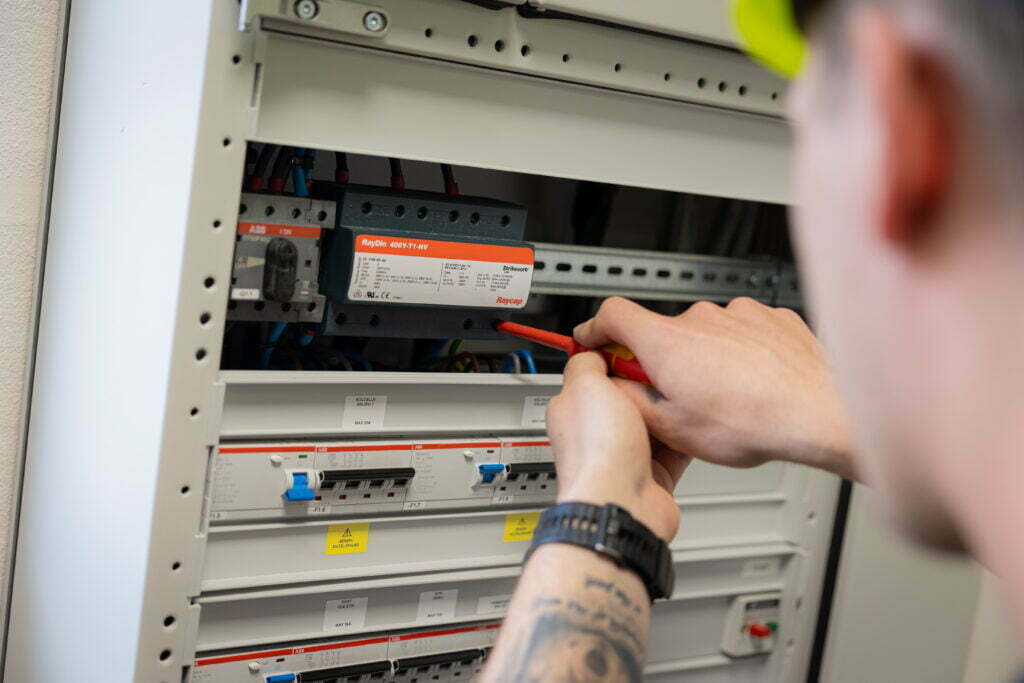
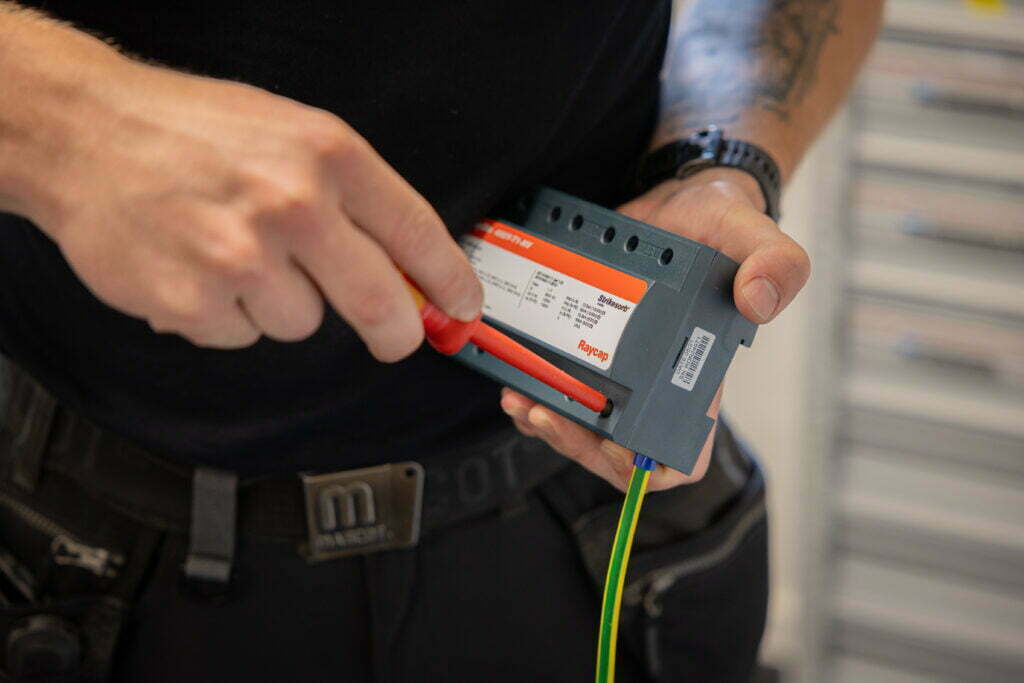
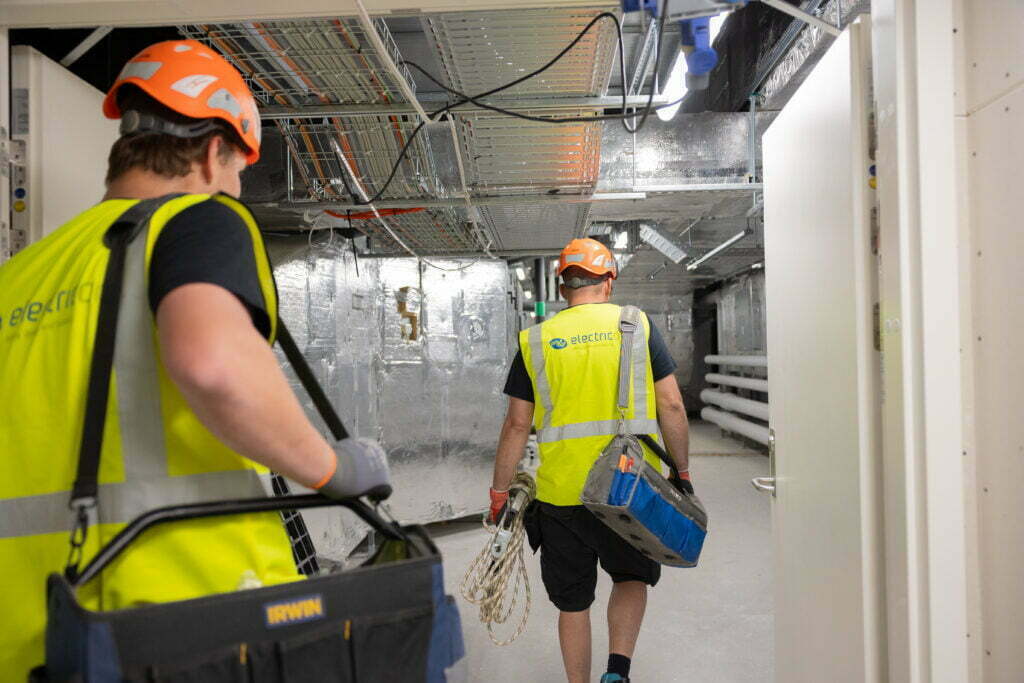
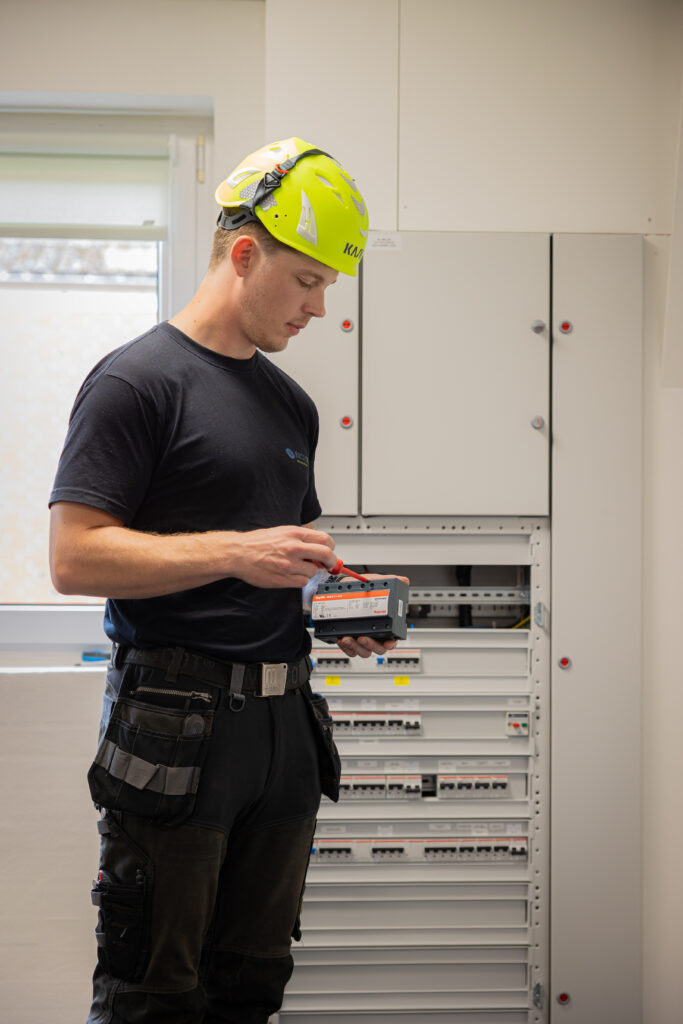

What our customers say

"Electricon carried out repairs on the existing lightning protection system at Gråsten Castle. The project was completed with Electricon serving as the main contractor...."

"Bravida can give Electricon A/S the highest recommendations for both quality and safety...."

"M. J. Eriksson A/S has been extremely satisfied with the service provided by Electricon. With an incredibly solution-oriented approach, everything has been delivered on time and within budget...."

"Electricon has been professional, adaptable, and service-minded throughout the entire process...."

"Electricon is a pleasure to work with. They are flexible and adaptable, always willing to adjust in order to achieve a common goal...."